
Duck Blinds and Good Times
For Boston Tucker and his family, time in the blind is a precious thing
If you ask Jim Tucker, Executive Vice President of the United Association, about the rules of duck camp, he’ll tell you no one is above the law. For his son Boston, that meant he didn’t get a seat in the Arkansas blind until he turned 18. Now 28, Boston recalls a childhood spent watching his dad pack the truck for the eight-hour drive south to Cash, Arkansas, for a week of cigars, brews, football—and some duck hunting, of course.
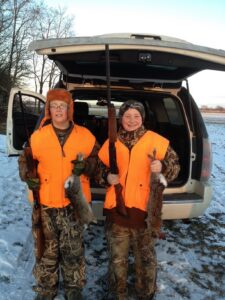
Boston (left) on a past hunting trip.
“One of the lunch ladies at my school had a family member who went with them to camp,” Boston recalled. “I remember going to school and calling them with her just to get the duck numbers from camp,” Boston says. “It was just his rule. I always wanted to go.”
This isn’t to say Jim never took his boy duck hunting. Boston had his first pair of waders at four years old, the absolute smallest size his dad could hunt down. And there were some close calls along the way.
“We were crossing a ditch, pushing the boat across the ice,” Boston said. “I fell off the front of the boat, and Dad fell off the back. We were both entirely underwater. When Dad lifted me back into the boat, I started crying. He just looked at me and said, ‘If crying made you warm, I’d cry too. Just don’t tell Mom.'”
Blue-Collar Blueprint
When Boston was halfway through high school, his dad didn’t mince words then, either. If you aren’t going to college, and you aren’t playing baseball, you’re going to learn a trade, he said. Boston started vocational welding at the Michigan City Career Academy during his junior year. At 18, he stepped into an apprenticeship with UA Local 597.
He spent nine years with the same company on Chicago’s East Side as a welder and pipefitter. But last October, Boston took a detour from the tools. He stepped up to become an organizer for Local 597. It meant taking a pay cut by leaving behind the heavy overtime of the field, but the tradeoff was worth it.
“I love it,” Boston said. “You get out there on the job sites, and you’re changing people’s lives. You’re getting workers safe working conditions, better insurance, and a future. But you have to build that trust. They don’t just trust anyone from the outside.”
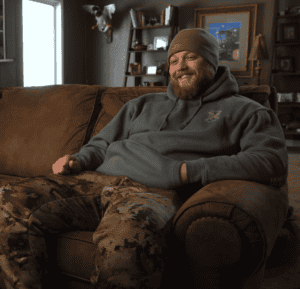
Boston Tucker at his family’s duck camp in Cash, AK.
Passing the Torch
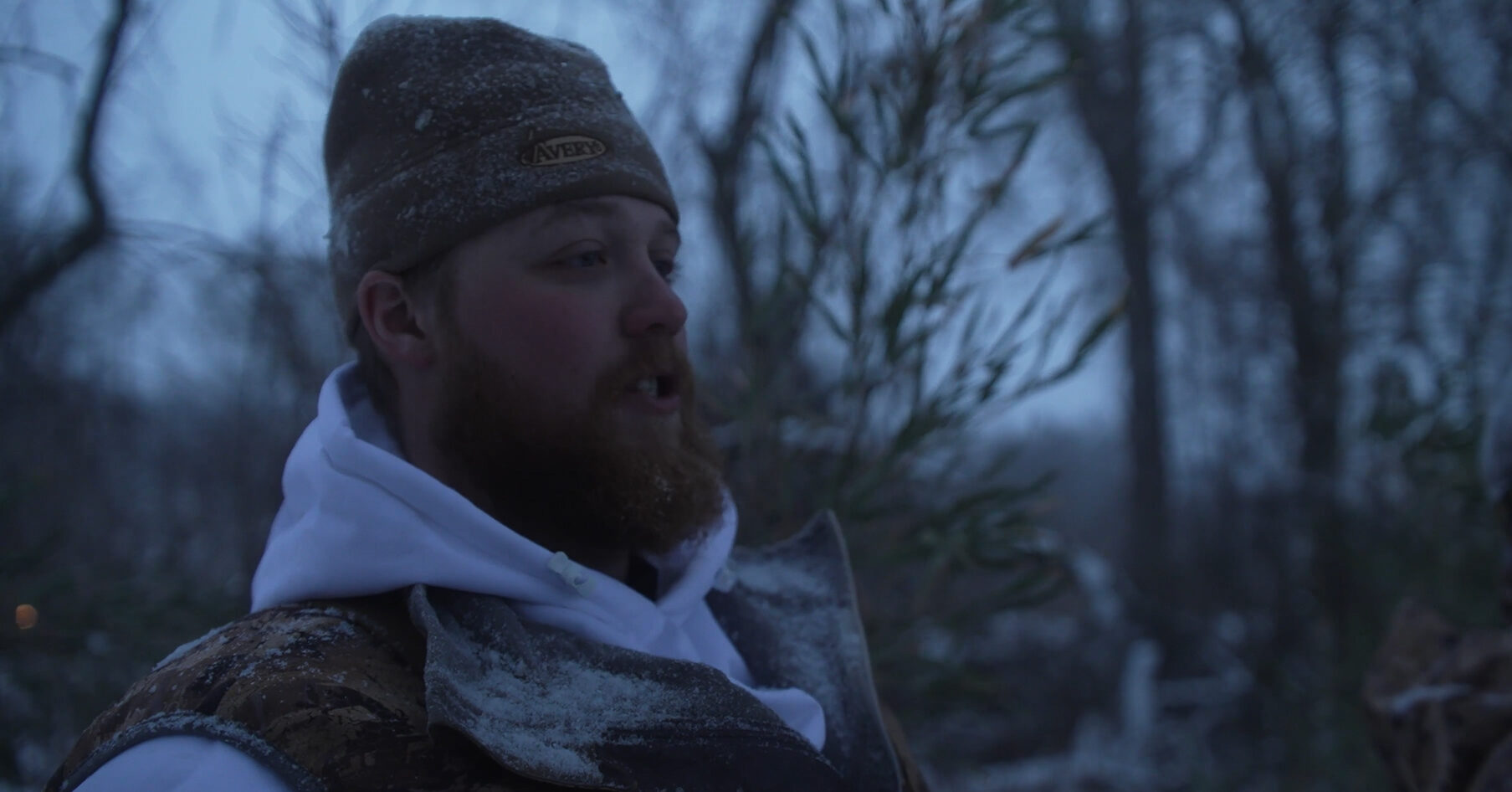
Now a decade into duck camp, he’s the one driving the eight hours to Arkansas a few times a year, hunting and having fun with his dad, his uncle Pat, buddy Brad Eaton, and plenty of others. The dynamic in the flooded rice fields has shifted a bit over the years. The older generation—the guys who used to chase limits and numbers—now mostly leave their guns in the cases. They sit on the back of the pit, smoke cigars, and watch the young guys take the shots.
“They leave the shooting to us now,” Boston said. “We get out there with the farmer’s family, eat a massive breakfast, watch afternoon football, and talk about the trade. If someone misses a year, they might get squeezed out. It’s the same crew every time.”
Looking ahead, he’s got his sights set on a bucket-list mule deer hunt or maybe a trip down to Mexico for ducks. Regardless of his travels, the union (and duck) brotherhood remains strong in the Tucker household.