

Mastering the Summer-to-Fall
Fishing Transition
When most anglers have shifted focus to the fall hunting season, now is the time to capitalize on fewer lines in the water and hungry fish. This is your species-specific guide to techniques and gear for targeting game fish as water temperatures drop.
Understanding what drives fish during this seasonal shift is the first step to mastering fall fishing. Justin Karnopp has been a fishing guide for 15 years, steering anglers toward trout, steelhead, pike, and some smallmouth. Today, he’s a product specialist with All Rod. In a nutshell, fish in the fall eat, Karnopp says.
“They put on the weight before their metabolism slows down. ”Cooling water shifts fish metabolism, triggers feeding frenzies, and thins out the competition, setting the stage for banner days on the water.
“The great thing about fall is that people are hunting and gathering firewood,” Karnopp adds. “In Montana, the tourists go home, and you can find solitude on the water. The fish are educated, though. They’ve been pressured for a good six months. Keep that in mind. Don’t assume the fish are dumb just because they’re hungry.”
Different regions and species respond to the changing seasons in surprisingly consistent patterns. Bass like largemouth and smallmouth migrate from their deep summer haunts to forage shallow, then push back to depth as the mercury drops. Walleye increase their movements into rivers and lake shallows ahead of winter, while trout become hyperactive in cold mountain streams. Northern pike and muskie shift on weed edges and rocky points in search of hearty prey, whereas coastal saltwater species—stripers, reds, and king mackerel—stage near estuaries and reefs for long fall migrations.
The following guide gives you a 30,000-foot view of popular game species, featuring tips, tactics, and general bait ideas. Nothing beats local knowledge, so be sure to visit or call your local bait stores for on-the-ground intel.
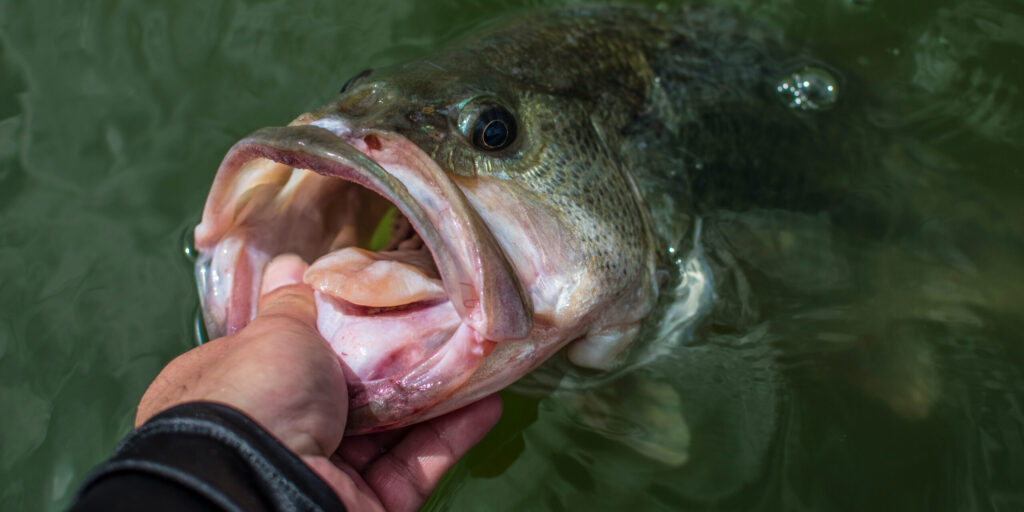
Largemouth Bass
Largemouth bass start fall lingering in warmer, shallower waters where baitfish are abundant. Early fall fishing is exciting because bass are actively feeding to build energy reserves for winter. Crankbaits that dive shallow and top-water rigs near weed beds and creek mouths provoke explosive strikes. As water cools later in the season, largemouths migrate deeper toward submerged timber, rocky points, and main lake channels.
Where to Fish for Fall Largemouth
Focus on shallow flats and vegetated pockets in early fall, migrating toward deeper structure as the season progresses. Creek mouths where currents stir food attract feeding bass.
Lures for Largemouth
Early fall calls for fast-moving lures like lipless crankbaits and spinnerbaits. Late fall demands finesse with football jigs, drop-shot rigs, and soft plastics that mimic sluggish baitfish lingering near bottoms.
Techniques & Tips
Start with a fast retrieve in shallow areas to locate active fish, then slow down once they key in. Pay close attention to local forage species and match lure colors accordingly. Shad-inspired silvers and greens typically work best. Transition zones, especially where shallow water meets deep, are prime ambush points.
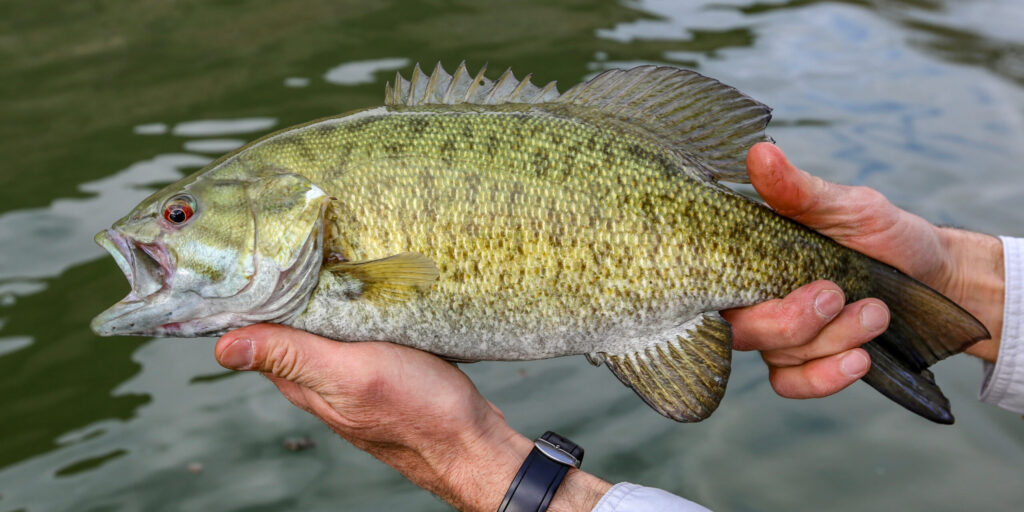
Smallmouth Bass
In fall, smallmouth generally revert to rock-dwelling predators. They respond to fall conditions by retreating to rocky points, ledges, and steep drop-offs, especially where currents create feeding opportunities. They display consistently aggressive behavior during fall, presenting ample chances for anglers using precise tactics.
Where to Fish for Smallmouths
Rocky shorelines with breaks in depth and current offer ideal habitats. Look for creeks and rivers discharging cooler water into lakes, creating temperature differentials attractive to smallmouth.
Lures for Smallmouths
Football and tube jigs, jerkbaits, and plastic crawfish imitations work well to mimic the smallmouth’s favorite prey, like crayfish and baitfish.
Techniques & Tips
Use a twitch-pause-twitch retrieve with jerkbaits to imitate wounded baitfish, enticing strikes. Slow down retrieves around rocks and ledges to keep lures in the strike zone longer. Don’t be shy about using fish finders that can identify sudden depth changes and bait concentrations where smallmouth patrol.
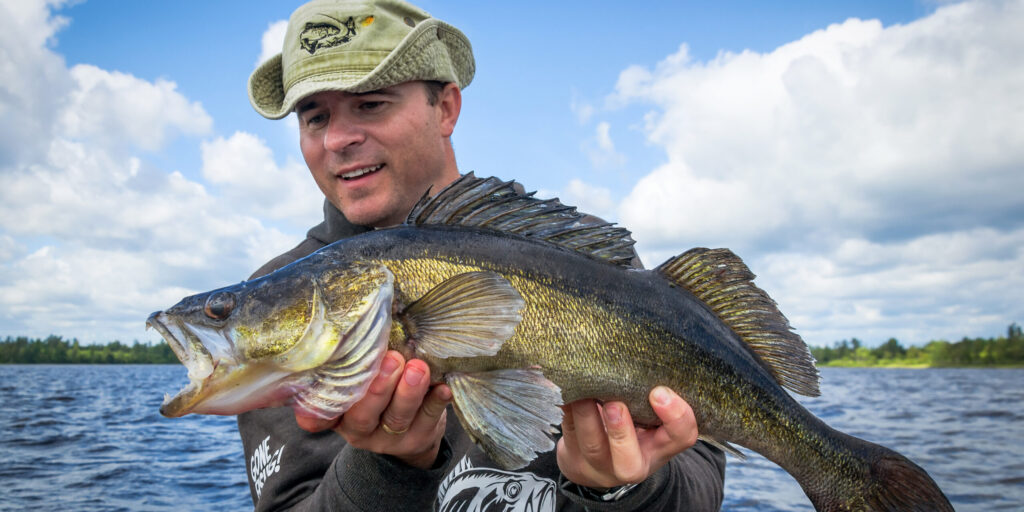
Walleye
Walleye shift more actively from deeper summer haunts into shallower rivers, river mouths, and rocky points during fall. They feed heavily to prepare for winter and often take advantage of baitfish aggregations around structures.
Where to Fish for Walleye
Concentrate on river mouths, rocky protrusions, channels, and deep holes adjacent to shallower flats.
Lures for Walleye
Deep-diving crankbaits, minnow-tipped jigs, and live bait rigs like minnows are effective. Incorporating scented baits or attractants can improve results. Commonly effective colors for fall include blue, chrome, purple, gold, and black and silver.
Techniques & Tips
Fish during low light conditions, which translates to early morning and late afternoon. Much like us anglers, walleye feed more aggressively at those times. Use slow jigging techniques along contours and bottoms with frequent pauses to imitate injured prey.
Northern Pike & Muskie
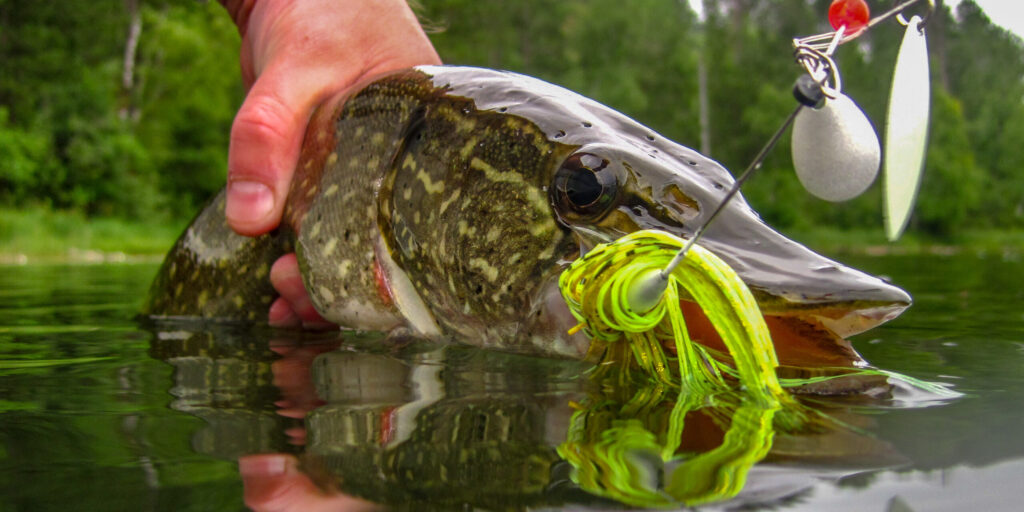
Northern pike and muskie are fall predators looking to bulk up before winter. They also don’t like to overheat. “In the heat of the summer, pike tend to be a little lethargic,” Karnopp says. “They hang in deeper water to stay cool. When fall hits and the temps cool off, they go into predator mode, and it’s a good time to target them.”
Where to Fish for Fall Pike
Target weedlines, drop-offs, bays, and shallow flats early in fall, moving gradually deeper as water cools.
Lures for Pike
Large swimbaits that mimic baitfish like shad, jerkbaits with erratic action, and flashy spinnerbaits prove successful. Bright colors such as chartreuse, white, and orange help trigger reactions. Their natural food sources include just about anything they can fit in their jaws, including mice, frogs, snakes, and ducks.
Techniques & Tips
Cast parallel to weed edges and slow-roll spinnerbaits through openings. Pike use weed beds for cover to ambush prey and follow schools of smaller fish that are also moving into these areas. Use sharp, jerky retrieves with swimbaits to simulate injured baitfish. Be ready for sudden explosive strikes (you have to love these fish)! Strong rods and heavy leaders are essential to handle these ornery fish.

Trout (Brook, Rainbow, Brown)
Trout exhibit peak activity in cold mountain streams, coldwater tailwaters, and spring-fed creeks. Summers in the West have grown warmer and taken a toll on trout populations that need cold, clean water to thrive. As aquatic insects hatch in fall, trout increase feeding, providing exceptional fly-fishing opportunities.
“Fall is the time for spawning browns,” Karnopp says. “That means there’s some opportunity to catch fish that are feeding on those eggs. Plus, the spawn makes browns more aggressive.”
Where to Fish
Seek out pools, riffles, runs, and tailwaters with clear, oxygen-rich water. Late summer and fall hatches often occur in well-oxygenated waters.
What to Use
Small spinners, light worms, and flies resembling terrestrial and aquatic insects are common during fall, like midges, mayflies, and caddisflies. “For rainbows, use ants and grasshoppers. And fish a fall blue-winged olive,” Karnopp recommends.
Techniques & Tips
Present flies and lures delicately to avoid spooking these wary fish. Karnopp advises using lighter tippets and smaller flies, as fish will inspect their food before committing. Target current breaks and areas near deeper pools where trout rest and feed. After cold fronts, expect heightened activity.
Saltwater Inshore Species
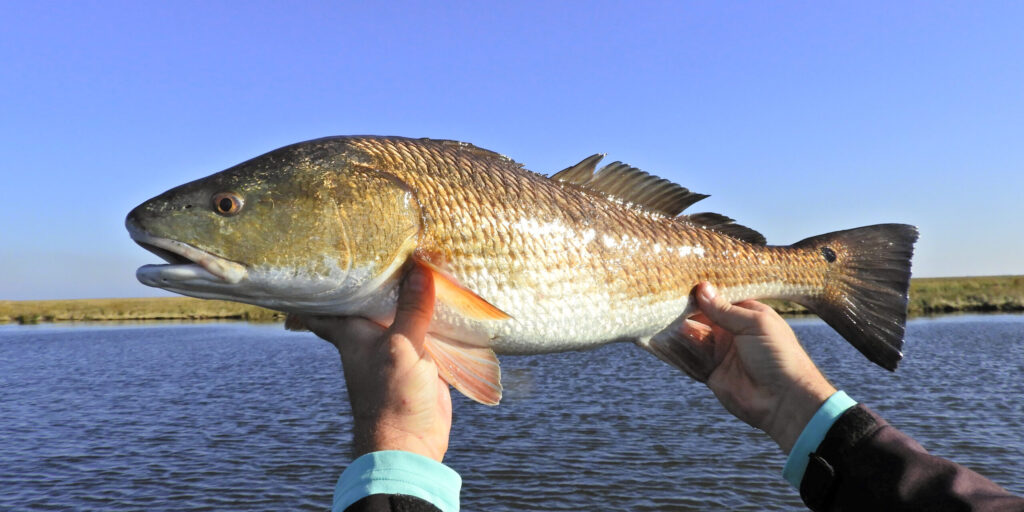
Coastal fish such as striped bass, redfish, and king mackerel prepare for seasonal migration by staging in estuaries, tidal rivers, and nearshore reefs in the fall. This makes it an exceptional time to target these species as they aggressively feed.
Where to Fish
Bridge pilings, oyster beds, mangrove edges, sandbars, tidal flats, and nearshore drop-offs are ideal.
Lures to Use
Live mullet or jigs that mimic local forage, surface plugs, and topwater lures are productive. Since the U.S. has such a huge coastline, consider visiting local bait shops and picking up their recommendations.
Techniques & Tips
Fish moving tides to capitalize on bait movement. Incoming tides will often concentrate prey near structures. Cast near current seams, edges of flats, and in channels where bait concentrates. Vary your retrieve speed from slow and natural early or late in the day to more aggressive mid-day. Feeding often intensifies before storms and on overcast or windy days, so be sure to call out sick those days.
Fall fishing is a season of change, and understanding how fish respond to cooling water and shifting forage can make the difference between a quiet day and a banner one. Whether you’re chasing bass along a rocky point, drifting a jig for walleye, or waiting on a muskie strike along a weed edge, the principles remain the same: match what fish are eating, pay attention to where transitions occur, and stay flexible in your tactics. And relax, you still have plenty of time to go hunting once the weather gets really bad.
PJ DelHomme writes and edits content from western Montana. He runs Crazy Canyon Media and Crazy Canyon Journal.
Related Articles